

How Are Anxiety Disorders and Depression Different? | Safe and Sound
Anxiety disorders and depression are two of the most common mental disorders today, affecting millions of people worldwide. While they can occur simultaneously and share some symptoms, they are two distinct conditions with their own characteristics and treatments. Understanding the differences between anxiety disorders and depression can help you identify and seek appropriate support.
Ngo Thi Sang | Master of Education – Applied to Safe and Sound Mental Health Care
Institute of Applied Medical Technology
1. What is an anxiety disorder?
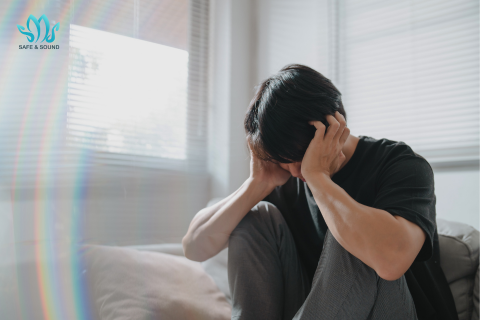
What is an anxiety disorder?
Definition: Anxiety disorder is a psychological condition characterized by excessive feelings of worry, fear, and tension without a clear reason or lasting longer than normal. These feelings can interfere with daily life and reduce the quality of life for those affected.
Symptom:
- Persistent anxiety: A constant, uncontrollable feeling of anxiety about a variety of things.
- Fear: An irrational or excessive fear of specific situations, such as fear of crowds (social phobia) or fear of enclosed spaces (aversion).
- Increased heart rate: Rapid heartbeat, palpitations, or a feeling of tightness in the chest.
- Shortness of breath: Feeling of difficulty breathing or rapid breathing.
- Sleep disorders: Difficulty falling asleep or not getting enough restful sleep due to anxiety.
- Muscle tension: Muscle pain caused by prolonged strain.
2. What is depression?
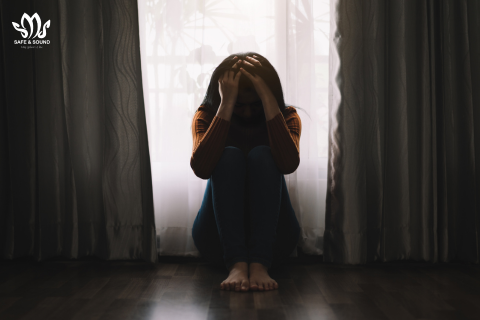
What is depression?
Definition: Depression is a serious mental disorder characterized by persistent feelings of sadness, loss of interest, and reduced motivation. Depression not only affects mood but can also cause physical and behavioral changes.
Symptom:
- Feeling of sadness: A persistent feeling of sadness or emptiness.
- Loss of interest: A lack of interest or pleasure in everyday activities.
- Weight changes: Significant weight gain or loss not caused by changes in diet.
- Sleep disorders: Insomnia or sleeping too much.
- Fatigue: A persistent feeling of tiredness or lack of energy.
- Low self-esteem and guilt: Feelings of worthlessness or overwhelming guilt.
- Difficulty concentrating: Difficulty focusing, remembering, or making decisions.
- Suicidal thoughts: Thoughts about death or suicide.
3. The difference between anxiety disorders and depression
Although anxiety disorders and depression share some symptoms, they have some important differences:
- Mood and emotions
Anxiety disorders: Primarily characterized by feelings of worry, fear, and tension.
Depression: Feelings of sadness, hopelessness, and loss of interest.
- Focus and think
Anxiety disorder: Difficulty concentrating due to constant worry and negative thinking.
Depression: Difficulty concentrating and slow thinking, often accompanied by negative thoughts about oneself and life.
-Behavior
Anxiety disorders: Avoiding anxiety-provoking situations, possibly involving obsessive and compulsive behaviors.
Depression: Reduced activity, withdrawal, and possibly self-harming behaviors.
- Causes and treatments:
Causes: Both disorders can be caused by genetic, environmental, and biological factors. However, anxiety disorders are often associated with stressful or traumatic events, while depression can develop without a clear cause.
Treatment: Both disorders can be treated with psychotherapy, medication, or a combination of both. However, the specific medications and therapies may vary. A psychologist and psychiatrist can help determine the most appropriate treatment for each individual case.
4. When anxiety disorders and depression coexist
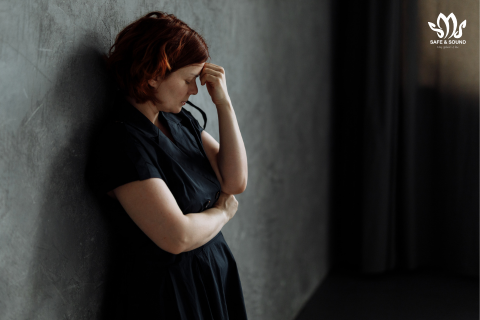
When anxiety disorders and depression coexist
The complication is that anxiety disorders and depression frequently occur simultaneously. It's estimated that up to 60% of people with depressive disorders also experience anxiety disorders, and vice versa. When both conditions coexist, symptoms can become more severe, and diagnosis and treatment become more complex.
This overlap may occur because they share common risk factors (genetics, stress, negative life events) and may affect the same neurotransmitter systems in the brain.
5. When should I see a psychologist or mental health professional?
Early recognition of signs and seeking professional support is crucial for both anxiety disorders and depression. You should see a psychiatrist or mental health professional if:
- Anxiety or sadness symptoms that last longer than two weeks and significantly affect daily life (studies, work, relationships).
- You feel unable to control your emotions.
- Physical symptoms (shortness of breath, rapid heartbeat, headache) occur frequently without a clear medical cause.
- You have thoughts of harming yourself or others.
- Quality of life has deteriorated significantly.
A psychologist (a medical doctor who can diagnose and prescribe medication) and a mental health professional (a therapist with a psychology degree who provides psychological therapy) can help you:
- Accurate diagnosis: Identifying which disorder, or both, you have is crucial for developing the most appropriate treatment plan.
- Develop a personalized treatment plan: This includes psychotherapy (such as Cognitive Behavioral Therapy - CBT, Acceptance and Commitment Therapy - ACT), and may combine it with medication (prescribed by a psychologist).
- Learn coping skills: This helps you manage symptoms, reduce stress, and improve your quality of life.
- Support and companionship: Providing a safe space for you to share, understand, and recover.

Safe and Sound Clinic - Family mental and health support
With a team of experienced doctors and specialists, Safe and Sound Clinic is a pioneer in comprehensive healthcare, offering services ranging from medical to psychological care.
"Early preparation - Timely support - Long-term partnership."
"Early - Immediate emotional first aid - Long-term support and companionship."

If you suspect you have a mental health problem, or would like more information about our counseling services, please contact our HOTLINE at 0964 778 911 (Phone/Zalo, 24/7) for prompt assistance and answers!
HOW TO SCHEDULE AN APPOINTMENT for online or in-person consultation with a specialist.
- On the SnS Clinic - IMT Institute Fanpage
- Alternatively, download and schedule a consultation on the Safe and Sound app to manage and track your appointments anytime, anywhere.
Safe and Sound - part of the Institute of Applied Medical Technology (IMT)
See more:
